The Meaning Behind The Words
In day-to-day life, a huge amount of our communication is not just what we say, but the way we say it.
For example, the phrase “that’s it” can mean many things. If said with an inflection at the end, it becomes a question; shouted, it becomes an angry threat; spoken energetically, it becomes encouraging; or stated flatly, it signals resignation… There are infinite possibilities.
The same goes for performing with the voice. Adapting tone and emphasis is what creates the mood and feeling of the song. This is especially important for musical theatre performers, as accurately expressing the emotions of a character is a fundamental part of storytelling.
However, the ability to express emotion doesn’t come naturally to everyone.
Performing With Feeling
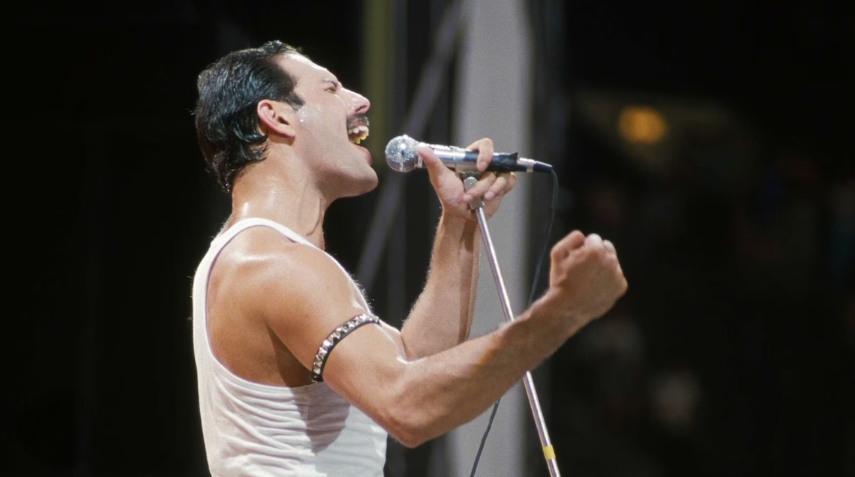
I can think of plenty of examples of performances I have seen where the singer is technically ‘perfect’; however, I didn’t feel moved in any particular way. I can also think of examples where the opposite was true—the singer may have had a few voice breaks, or their voice wasn’t the most stable, but there wasn’t a dry eye in the audience. A beautiful example of this could be Queen’s performance of Bohemian Rhapsody at Live Aid in 1985. Freddie Mercury’s voice is undeniably impressive even here, however there are moments where his pitch slips or voice breaks- though this never takes away from the impact of his performance.
The difference is: audiences react on a very primal ‘human’ level to the intangible connection a performer makes when they infuse their own emotions into their singing, rather than merely imitating emotions. This distinction is what elevates a good performance to a truly great one.
Stunted Expression
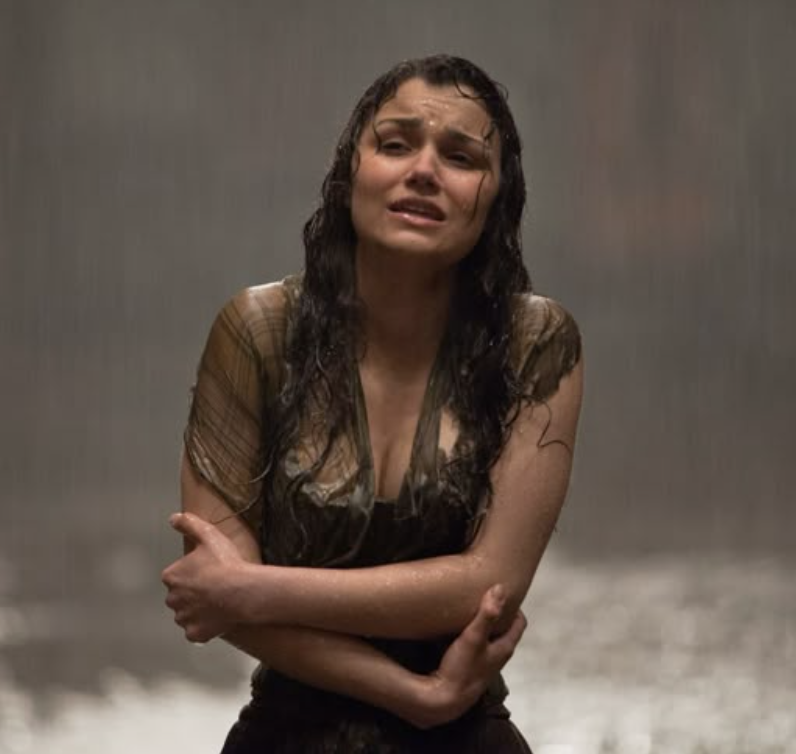
Samantha Barks singing "On My Own" in the Les Miserables film adaptationConsider this: From the moment we enter the world, our first act of self-expression is to open our mouths and scream at the top of our tiny lungs. In an attempt to communicate and connect with our caregivers, we shout, cry, yell, and laugh—completely unapologetically. Yet, inevitably, as is part of life, we learn to quiet that expression. People teach us to shrink our expression so it feels more tolerable and convenient for those around them. And while we cannot blame those who enforce this (it would be chaos if they didn’t), this can lead to a real emotional disconnect as an adult.
Often, many of us will learn to box away our feelings in an attempt to appease those people… but this isn’t managing emotions—this is ignoring them. And the longer we ignore them, the more disconnected we become.
You might be shocked at how many students can’t answer when I ask them how they feel—or they simply don’t know. And when I ask them to describe what it’s like to experience an emotion, they genuinely struggle.
There will be times when those emotions escape, or they bubble up to the surface so strongly that we have no choice other than to let them out, but after years of suppressing them, it can be a deeply uncomfortable and vulnerable thing to face… in order to avoid it as a defense mechanism, we go right back to boxing them in again.
Why This Matters:
If we keep ignoring our feelings day to day, of course we’ll struggle to access emotion for a performance! You can’t just walk up to a microphone, hear “Okay… now feel!” and deliver with ease if you don’t practice feeling in everyday life.
You will find that there will be some songs that you can perform more impactfully than others, and this will likely be because you can relate to the lyrics from your own life and personal experiences. It is easier to remember what it is like to feel the way you aim to express, so tapping into those emotions for the performance is much more accesible. And then the opposite is true too—for example, if you have never dated anyone, it’s more difficult to convey the pain of a breakup anthem if you have never been through it yourself.
This is why singers who write their own music as a means to express themselves (like Billie Eilish or Adele), are able to connect so much more deeply with their audience than other artists who write with the intention to make a hit, not to tell a story.

Billie Eilish Performing at the American Airlines Arena in Miami March 2020Now this isn’t to say that you can only perform songs well if you can relate to the meaning. However, if you avoid facing and feeling your own emotions, you’ll struggle to access the empathy and imagination you need to become a fantastic actor or performer.
How You Can Apply It:
So at this point, you might think, “Sky, that’s all well and good. I understand why my performances don’t connect with the audience… but what can I do about it?”
The answer is simple, but not easy:
Practice feeling your emotions.
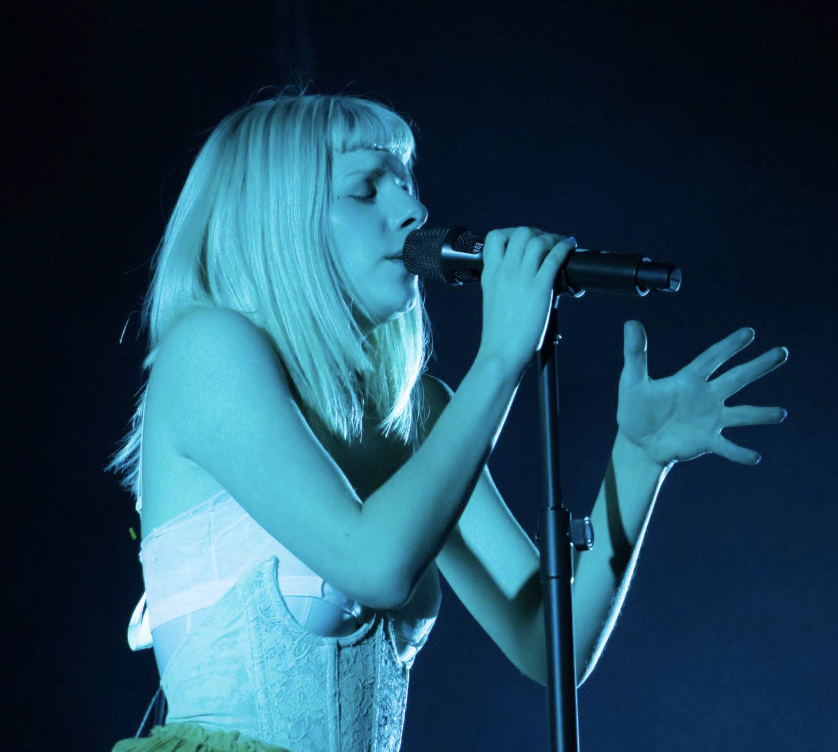
AURORA singing at MGM Music Hall at Fenway.Doing self-work and emotional development practices can do wonders—not just for your performance—but for you as a person and how you show up in your life. Learn about your triggers, blocks, patterns, exploring your emotional tendencies, discovering why and how they became and how it shows up in your behaviors. This work is not easy by any means. It can be deeply uncomfortable, messy, ugly, and it’s not a linear path. But from the darkest nights shine the brightest stars—and once you’ve felt and understood and integrated the part of yourself you have been resistant to accept, you will see the world in a new way, and add a whole new dimension to your craft.
Have a go:
You can do this by reflecting and journaling on different prompts like these below, and finding questions that resonate. (Remember, it is more than likely that the question you want to think about the least, is the one you will benefit the most from answering)
These questions help you explore your inner world with honesty and care. Some may bring up tender or unexpected emotions—and that’s okay (that’s actually the goal!). There’s no “right” way to answer, and you’re always in control of how deep you go. If anything feels too overwhelming, take a break. Breathe. Return only when you feel ready. Giving yourself the time and space to reflect is already an act of courage. Be kind to yourself as you go, and approach it gently.
Here are some journaling prompts you can try to get to know your habits and unlock your emotions:
- How did my family express (or not express) emotions when I was growing up? How did that shape me?
- When I was younger, how was I taught to deal with “big” feelings like sadness, anger, or fear? How do I carry that now?
- What parts of myself do I feel safe showing to others? What parts do I hide?
- When I’m alone, do I feel more or less connected to my emotions? What shifts?
- What emotions do I feel most comfortable expressing around others? Which ones do I tend to hide?
- Where in my body do I notice tension or discomfort when I’m upset or anxious?
- What signs show up in my body or behavior when I start to emotionally shut down or disconnect?
- Which emotions do I tend to overlook or have trouble identifying in myself? Why might that be?
- Are there moments when I feel like I’m “too much” for people—or not enough? What kinds of situations bring that up?
Here are some journaling prompts you can try to see how your emotions and voice performance connect:
- What emotion comes most naturally to me when I sing? Which one feels hardest to access? Why do I think that is?
- Are there songs or vocal tasks that feel emotionally ‘blocked’ for me? What might be underneath that resistance?
- What’s a song that feels deeply “me”? What makes it feel that way?
- How do I want people to feel when they hear me sing [a piece of your choice]—and do I let myself feel those emotions too?
- Have I ever had a moment where singing felt cathartic or healing? What allowed that to happen?
- What would it look like to use my voice to express an emotion I find difficult to confront in my day to day life?
- What would it feel like to sing just for myself—not to impress, achieve, or perform, but simply to feel and express?
- If I weren’t afraid of being judged or misunderstood (by myself or someone else), how and what would I dare to sing?
- Do I ever feel like I have to sound “perfect” to be accepted or taken seriously? Where might that belief have come from?

'Adele: One Night Only' performance on CBS 2021I want to encourage you to embrace this part of your vocal journey, and remember that your voice is inherently a part of you. So while I will always champion the use of science and anatomy to control your voice, that doesn’t take away from the fact that voice development isn’t purely clinical—it is holistic, and should take into account you as a whole and as a human being.
I’d love to hear your thoughts on this, as I know it is a lesser discussed topic that might be divisive. Drop a comment below and join the conversation!
Wow. Thank you for writing all that, I got so much new information from that, and truly had never considered some of the things you discuss. Lightbulb moment: of course you’re going to come across as more authentic if you work on all of the above! So thank you for offering all those valuable suggestions for things I can already start to work on 🤍
Hi Iza, I am so glad you enjoyed reading and feel as though you have learned something. Happy practicing!